Trusted by 150+ Homeowners
Wet Insulation Removal & Replacement in Pasadena, TX
- Over 152 5-Star Reviews
- Free Estimates and Quotes
- 100% Satisfaction Guaranteed
- Child, Family & Pet Safe Steps
- 24-Hour Emergency Service
- Fully Licensed & Insured
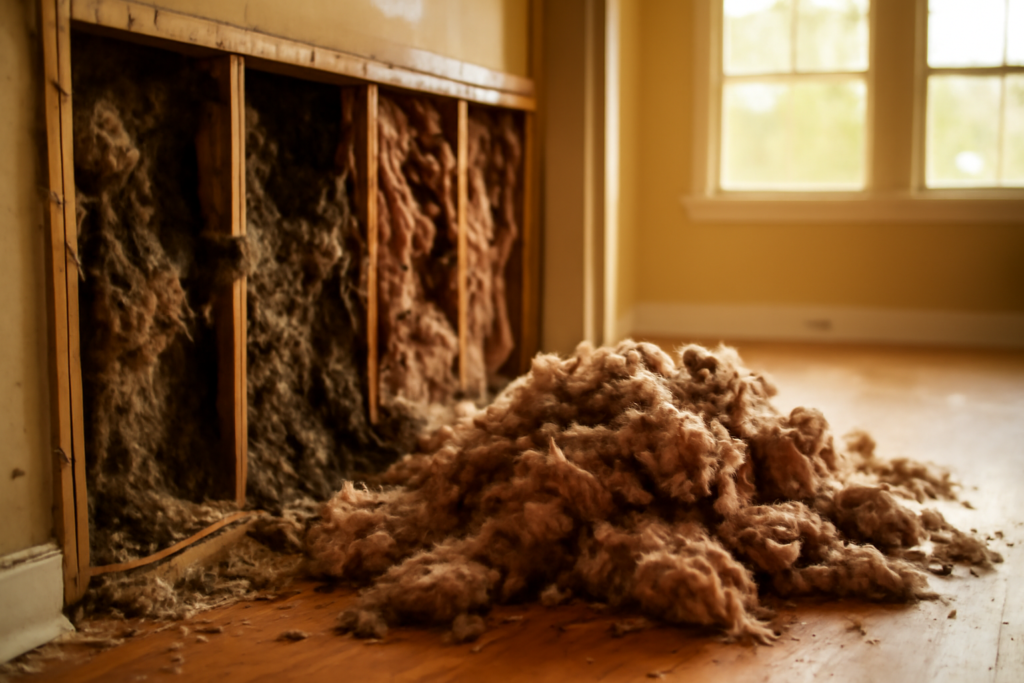
Don’t Let Wet Insulation Ruin Your Home: Expert Removal & Replacement in Pasadena, TX
If you’ve noticed damp spots on your ceiling or walls after a leak, or perhaps your attic insulation feels heavy and soggy from recent storms, it’s crucial to act fast. Ignoring wet insulation is a common mistake homeowners make, thinking it will just dry out on its own. Unfortunately, that’s rarely the case. Wet insulation harbors mold and can seriously compromise your home’s structure and your family’s health. We understand how stressful dealing with water damage can be, and our team is here to bring calm and competence to a chaotic situation.
Locally, homeowners have consistently chosen our team for their wet insulation needs, as evidenced by our 165+ five-star reviews. We’re known for our rapid response times and our commitment to getting the job done right the first time. When you’re facing the mess of water-damaged insulation, you need a team that understands the urgency and has the right tools to restore your property effectively. We’re dedicated to providing that reliable service right here in your neighborhood.
- We quickly identify the source of the water intrusion to prevent further damage to your insulation and home structure.
- Our specialized drying equipment ensures that the affected areas are thoroughly dried, preventing long-term moisture issues and mold growth.
- We handle the safe removal and disposal of contaminated insulation, followed by the proper installation of new, dry insulation to restore your home’s energy efficiency.
How Wet Insulation Removal & Replacement Actually Works
Dealing with wet insulation requires a methodical approach, not just a quick patch-up. A proper process is essential because cutting corners can lead to persistent mold problems, increased energy bills, and structural damage down the line. Our crews follow a clear, step-by-step plan, utilizing industry-leading techniques and equipment to ensure your home is restored to its pre-loss condition. You can trust that we’ll manage every detail with precision and care.
Step 1: Initial Assessment and Water Source Identification
Upon arrival, our technicians conduct a thorough inspection of your property. We’ll use moisture meters and thermal imaging cameras to pinpoint exactly where the water has saturated your insulation and identify the source of the leak. This crucial first step helps us create a targeted removal and drying plan. It typically takes about 1 to 2 hours, depending on the complexity of the water intrusion.
Step 2: Containment and Water Extraction
Once we understand the scope, we’ll set up containment barriers to prevent the spread of moisture and potential contaminants. If there’s standing water, our high-powered extraction equipment will remove it quickly. This phase focuses on removing bulk water as efficiently as possible. This part of the process can take anywhere from 2 to 6 hours, depending on the amount of water present.
Step 3: Insulation Removal
Saturated insulation can become heavy and may harbor mold or mildew. We’ll carefully remove the damaged insulation, bagging it securely for proper disposal. Our team wears protective gear to ensure safety during this process. The time needed for removal varies greatly, from 2 to 8 hours, based on the size of the affected area and the type of insulation.
Step 4: Drying and Dehumidification
After removal, we use industrial-grade air movers and dehumidifiers to dry out the affected structural materials, such as joists and drywall. This is a critical step to prevent secondary damage like mold growth and warping. This drying process can take several days, typically 2 to 5 days, as we monitor humidity levels closely.
Step 5: New Insulation Installation
Once everything is confirmed dry and clean, we install new, high-quality insulation to restore your home’s thermal performance and comfort. We’ll ensure it’s installed correctly to maximize its effectiveness. This final step usually takes between 4 to 12 hours, depending on the square footage being insulated.
Don’t wait for small leaks to turn into major insulation problems. Contact us immediately if you suspect your insulation is wet. We’re ready to deploy our trained crews to your location to start the restoration process.
Warning Signs You Need Wet Insulation Removal & Replacement
Catching the early signs of wet insulation can save you a significant amount of money and prevent much larger, more complex issues from developing in your home. Ignoring these indicators can lead to costly structural repairs and unhealthy living conditions. Pay close attention to what your home is telling you.
Musty Odors That Won’t Go Away
A persistent, damp, or musty smell, especially in attics or crawl spaces, is a strong indicator that moisture is trapped. This smell often signals the beginning of mold or mildew growth within your insulation. Addressing these odors promptly is key.
Visible Water Stains or Discoloration
Look for dark or discolored spots on your ceilings or walls, particularly after rain or plumbing issues. These stains mean water has penetrated the building materials and likely reached your insulation. Documenting these stains is important.
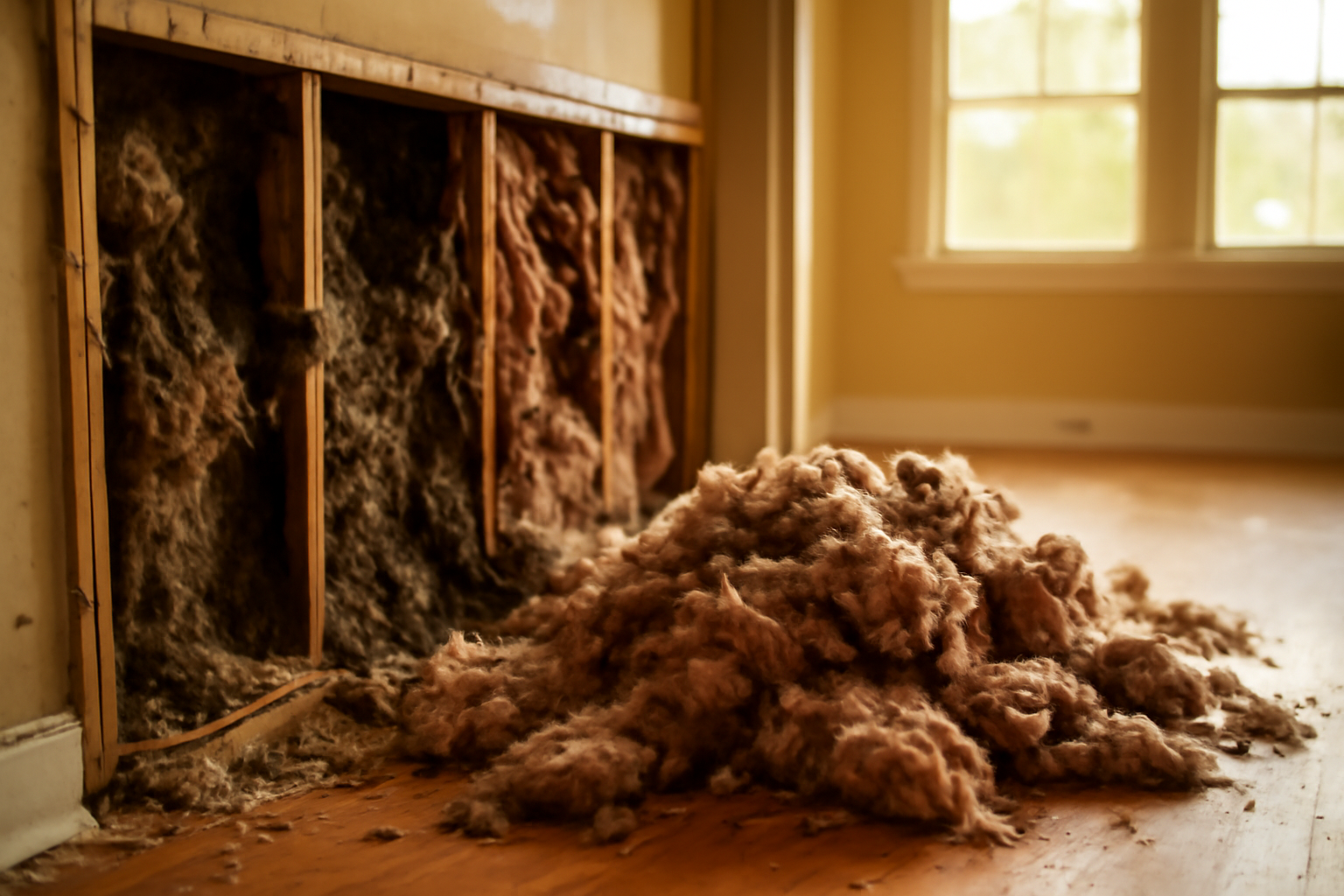
Sagging or Clumpy Insulation
Dry insulation typically has a fluffy, consistent appearance. If you notice insulation that appears to be sagging, clumping together, or has lost its loft, it’s likely saturated with water. Checking insulation’s appearance can reveal hidden problems.
Increased Energy Bills
Wet insulation loses its R-value, meaning it can’t effectively insulate your home. If you’ve noticed a sudden spike in your heating or cooling costs without a clear reason, your insulation might be compromised. Monitoring energy usage is a smart habit.
Mold or Mildew Growth
Visible signs of mold or mildew, often appearing as fuzzy or slimy patches of various colors, are a serious health concern. This growth thrives in damp environments, and wet insulation provides the perfect breeding ground. Identifying mold early protects your health.
Damp or Wet Spots in Your Attic or Crawl Space
Simply going into your attic or crawl space and feeling for dampness or seeing visible wetness is a direct indicator. This is often the first place water damage from roof leaks or plumbing problems will show up. Inspecting these areas regularly is advised.
Wet Insulation Removal & Replacement vs. DIY: When To Call a Professional
| Situation | DIY? | Call a Pro? | Why |
|---|---|---|---|
| Minor condensation on a small section of attic insulation | Yes, with caution | No | Small amounts might dry if ventilation is good, but monitor closely. |
| Suspected mold growth on insulation | Absolutely Not | Yes | Mold spores are a health hazard and require professional containment and removal. |
| Large area of insulation soaked from a roof leak | Absolutely Not | Yes | Requires specialized equipment for extraction, drying, and safe disposal. |
| Insulation feels heavy and is visibly sagging throughout the attic | No | Yes | Indicates significant saturation and potential structural compromise. |
| Water stains appearing on ceilings after a storm | No | Yes | Water has likely penetrated multiple layers and needs professional assessment. |
| Damp smell in your home that won’t disappear | No | Yes | Could be hidden moisture and mold, requiring professional detection and remediation. |
While minor DIY fixes might seem tempting, when it comes to significant water damage affecting your insulation, calling a professional is almost always the safest and most effective choice. Professional assessment prevents future problems and ensures your home’s integrity is maintained.
Wet Insulation Removal & Replacement Cost In Pasadena, TX
The cost for wet insulation removal and replacement in Pasadena, TX, can vary significantly. Factors such as the extent of the water damage, the size of the affected area, the type of insulation, and the accessibility of the space all play a role in the final price. These figures are estimates to help you understand potential costs.
| Service | Typical Price Range | What Affects Cost |
|---|---|---|
| Inspection and Moisture Detection | $200 – $600 | Complexity of the water intrusion and required technology. |
| Water Extraction (Bulk Water Removal) | $300 – $1,200 | Volume of water and area needing extraction. |
| Removal of Damaged Insulation | $500 – $2,500 | Square footage affected and labor intensity. |
| Drying and Dehumidification Services | $700 – $3,000+ | Duration of drying needed and number of units required. |
| New Insulation Installation (per sq ft) | $1.50 – $4.00 | Type of insulation chosen (fiberglass, cellulose, spray foam) and R-value. |
| Mold Testing and Remediation (if necessary) | $500 – $4,000+ | Severity of mold infestation and treatment methods. |
For an accurate estimate tailored to your specific situation, schedule a free, no-obligation inspection with our team. We’ll assess the damage and provide a detailed breakdown of the services needed.
Service Areas Near Pasadena, TX
Deer Park, La Porte, Baytown, Channelview, Jacinto City, Galena Park, South Houston, Webster, Seabrook, Kemah, League City, Friendswood, Pearland, Missouri City, Sugar Land, Houston, Humble, Kingwood, Spring, Cypress.
Common Questions About Wet Insulation Removal & Replacement
What if I try to dry the insulation myself?
While it might seem like a good idea, drying wet insulation yourself is often ineffective and can be risky. Standard fans and dehumidifiers may not be powerful enough to reach the necessary dryness levels deep within the insulation and structure. Without professional equipment and monitoring, you risk incomplete drying, which can lead to hidden mold growth and continued structural damage. Our team uses specialized industrial drying equipment for thorough and rapid drying.
How quickly does mold start growing in wet insulation?
Mold can begin to grow in as little as 24 to 48 hours after insulation becomes wet, especially in warm, humid conditions common around Pasadena, TX. The longer moisture remains, the more widespread the mold infestation can become. Preventing mold growth is a top priority, which is why our rapid response is so critical. We aim to start the removal and drying process as soon as possible.
Will my homeowner’s insurance cover wet insulation removal and replacement?
In many cases, homeowner’s insurance policies cover damage caused by sudden and accidental water events, such as burst pipes or significant storms. However, coverage for slow leaks or lack of maintenance is often excluded. It’s always best to check your specific policy and contact your insurance provider. We can assist by providing detailed documentation of the damage and our restoration process to help you with your claim.
What kind of equipment do you use for drying?
Our crews utilize a range of advanced drying equipment, including industrial-strength air movers, high-capacity dehumidifiers, and specialized moisture meters. Air movers create airflow across wet surfaces to accelerate evaporation, while dehumidifiers remove moisture from the air. We also use thermal imaging cameras to detect hidden moisture. This equipment is far more powerful and effective than anything you can rent or buy for efficient structural drying.
How do I prevent my insulation from getting wet in the future?
Regular maintenance is key to preventing future water damage to your insulation. This includes ensuring your roof is in good condition, keeping gutters clean and clear, and checking for any plumbing leaks, especially around pipes in attics or crawl spaces. Proper attic ventilation also helps manage moisture. We can offer advice on maintaining your home’s envelope to reduce the risk of water intrusion.
Check Our Other Relevant Services

Gary Gwin: Damage Restoration Expert
With over 20 years of hands-on experience, Gary Gwin is a trusted authority in property recovery and disaster mitigation. As a licensed specialist, Gary has dedicated his career to restoring safety and peace of mind for homeowners facing environmental crises.
𝗖𝗲𝗿𝘁𝗶𝗳𝗶𝗰𝗮𝘁𝗶𝗼𝗻𝘀: Gary holds multiple advanced IICRC certifications, including Water Damage Restoration (WRT), Applied Microbial Remediation (Mold), Applied Structural Drying (ASD), Odor Control, and Fire and Smoke Restoration. His deep technical knowledge ensures every project meets the highest industry standards for health and safety.
𝗕𝗲𝘀𝘁 𝗣𝗮𝗿𝘁 𝗼𝗳 𝘁𝗵𝗲 𝗝𝗼𝗯: Gary finds the most fulfillment in guiding families through the recovery process, transforming a chaotic property loss into a restored, habitable home.
𝗙𝗮𝘃𝗼𝗿𝗶𝘁𝗲 𝗣𝗮𝘀𝘁𝗶𝗺𝗲: When off the clock, Gary enjoys exploring local hiking trails and woodworking.