Trusted by 150+ Homeowners
Radon Mitigation in Pasadena, TX
- Over 152 5-Star Reviews
- Free Estimates and Quotes
- 100% Satisfaction Guaranteed
- Child, Family & Pet Safe Steps
- 24-Hour Emergency Service
- Fully Licensed & Insured
Breathe Easier: Expert Radon Mitigation in Pasadena, TX
We’ve been helping homeowners in Pasadena, TX, deal with radon gas for a long time. You see all sorts of homes around here, from older bungalows to newer constructions, and you learn what to look for. Radon is a silent threat that can seep into any property, regardless of its age or style. It’s a serious issue that needs professional attention and a thorough approach.
Our crews have earned the trust of over 165 families in your neighborhood, evidenced by more than 165 five-star reviews. They choose us because we understand the unique challenges of radon mitigation locally. You’re not just getting a service; you’re getting experienced technicians who care about your family’s well-being. We’ve seen it all and know how to get the job done right, the first time.
- Radon mitigation systems are designed to reduce radon levels significantly, protecting your home and your health from this radioactive gas.
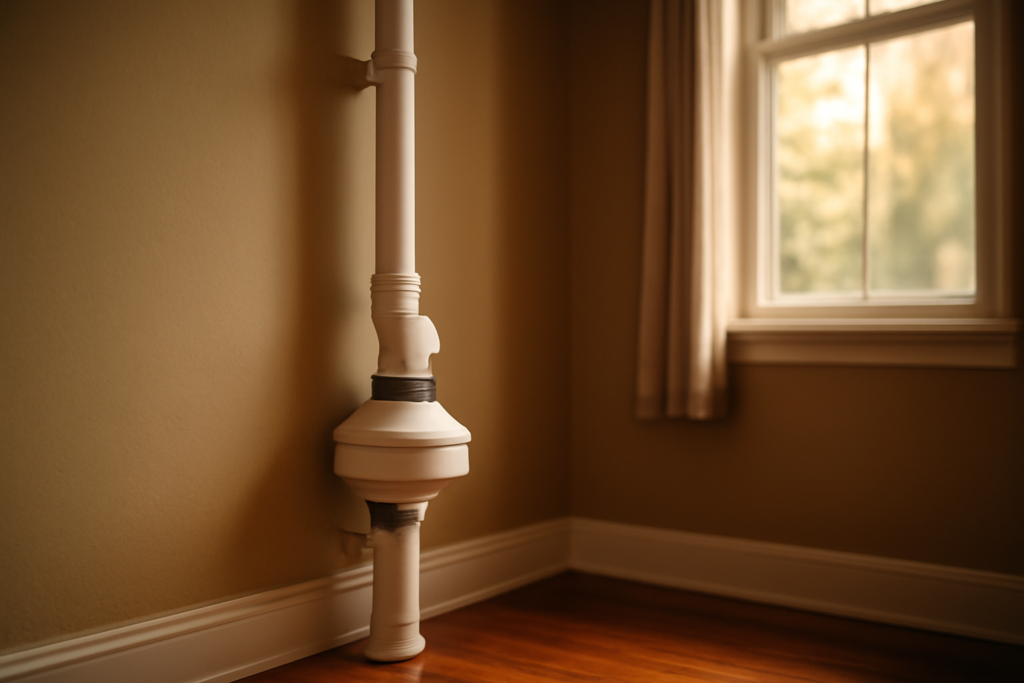
- Our process involves installing a specialized system that actively vents radon from beneath your foundation, preventing it from entering your living spaces.
- We ensure our installations are discreet and effective, meeting all local building codes and industry standards for your safety and compliance.
How Our Radon Mitigation Process Works
A proper radon mitigation process isn’t just about sticking a pipe in the ground. It’s about a carefully designed system that addresses the specific radon pathways in your home. When corners are cut, radon levels can remain dangerously high, or the system might fail prematurely. We believe in a transparent and methodical approach, so you know exactly what to expect and why each step is critical for long-term protection.
Initial Assessment and Testing
Before any work begins, we conduct a thorough assessment of your property. This includes using specialized equipment to measure current radon levels. We’ll identify potential entry points and discuss the best mitigation strategy for your specific situation. This initial step is key to a successful system design.
System Design and Planning
Based on the assessment, we’ll design a custom mitigation plan. This involves selecting the right type of fan, determining the optimal pipe routing, and planning for proper ventilation. Our goal is to create a system that is both highly effective and minimally intrusive to your home’s aesthetic. We’ll explain all the options available.
Installation of Mitigation System
Our certified technicians then install the mitigation system. This typically involves drilling a small hole through your foundation to create a suction point. A high-static pressure fan is installed, usually in the attic or garage, connected to a vent pipe that runs to the exterior. We use durable materials and ensure all connections are sealed. The installation usually takes one to two days.
Post-Mitigation Testing
Once the system is installed, we perform follow-up testing to confirm that radon levels have been reduced to safe levels, typically below 4 picocuries per liter (pCi/L). This confirmation testing is crucial to ensure the system is functioning as intended. You’ll receive a detailed report of these results, providing clear confirmation of the system’s effectiveness.
System Monitoring and Maintenance
Radon mitigation systems require occasional monitoring to ensure they continue to operate effectively. We’ll provide you with information on how to check your system and recommend periodic professional check-ups. Regular maintenance guarantees the ongoing protection of your home and family. We’re here to help you keep it running smoothly.
Don’t wait to address potential radon issues. Taking action now is the best way to protect your family’s health. Contact us today for a prompt assessment and get a clear plan for radon mitigation.
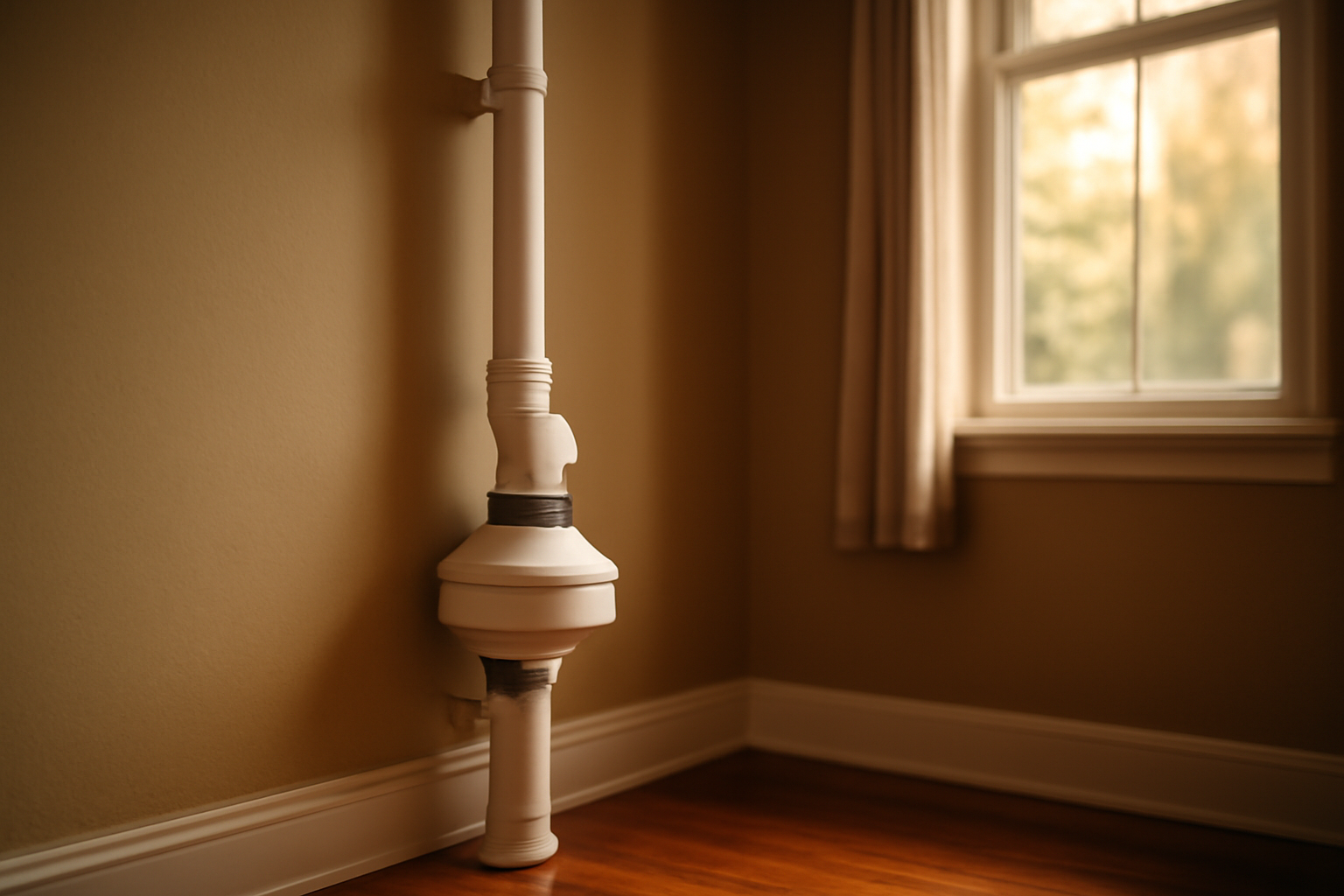
Warning Signs You Need Radon Mitigation
While radon gas itself is odorless and invisible, certain signs around your home might indicate elevated levels. Recognizing these early can save you from prolonged exposure and potential health risks. Addressing these issues proactively is always the smartest choice for your home’s safety.
Musty Odors That Won’t Go Away
A persistent musty or earthy smell, especially in basements or lower levels, can sometimes be an indicator of radon. While often associated with moisture, it’s worth investigating if the smell lingers. This could be a subtle clue to a larger problem.
Cracks in Foundation or Walls
Radon enters homes through cracks, gaps, and openings in the foundation. If you notice new or existing cracks in your basement floor, walls, or crawl space, these are potential pathways for radon. Sealing these openings is a critical first step in mitigation.
Poorly Ventilated Basement or Crawl Space
Areas with limited airflow, like sealed basements or crawl spaces, can trap radon gas. If these areas feel stagnant or the air doesn’t circulate well, radon can accumulate to dangerous levels. Ensuring proper ventilation is essential.
High Radon Readings from Previous Testing
If you’ve previously tested your home and found radon levels above the EPA’s recommended action level, it’s time for mitigation. Even if levels were borderline, it’s wise to consider mitigation for added safety. Don’t ignore past test results.
New Construction or Additions
While modern building practices can sometimes reduce radon entry, it’s not guaranteed. If you’ve recently built or added onto your home, it’s wise to test for radon. New materials and construction methods can sometimes interact with soil gases. This is a preventative measure.
Water from a Private Well
Radon can dissolve into groundwater. If your home uses water from a private well, testing the water for radon is important, as it can be released into the air when water is used. This is an often-overlooked source of indoor radon exposure.
Radon Mitigation vs. DIY: When To Call a Professional
| Situation | DIY? | Call a Pro? | Why |
|---|---|---|---|
| Initial Radon Testing | Yes, with short-term or long-term test kits. | Yes, if you’re unsure how to interpret results or want certified accuracy. | Accurate testing is the foundation of effective mitigation. |
| Sealing Foundation Cracks | Yes, for minor cracks with appropriate sealants. | Yes, for large or structural cracks, or if unsure about the best method. | Improper sealing can sometimes worsen radon entry. |
| Installing a Mitigation System | Absolutely Not. | Yes, always. | Requires specialized knowledge, tools, and understanding of airflow dynamics. |
| Choosing the Right Fan and System Type | No. | Yes, absolutely. | The wrong system can be ineffective or even increase radon levels. |
| Post-Mitigation Testing and Verification | No. | Yes, for certified results. | Professionals use calibrated equipment and follow strict protocols. |
| Ongoing System Monitoring | Yes, visually check fan operation. | Yes, for periodic performance checks and maintenance. | Ensures the system continues to protect your home effectively over time. |
While some initial steps like basic testing or sealing small cracks might seem DIY-friendly, the installation and verification of a radon mitigation system require expert knowledge. Professional installation ensures the system is correctly designed and implemented for maximum effectiveness and long-term safety. Don’t gamble with your family’s health; call the pros.
Radon Mitigation Cost In Pasadena, TX
The cost of radon mitigation in Pasadena, TX, can vary based on the size and complexity of your home, the specific radon levels found, and the type of mitigation system required. These figures are estimates, and a detailed on-site assessment will provide a more precise quote. We aim for transparent pricing.
| Service | Typical Price Range | What Affects Cost |
|---|---|---|
| Radon Testing (Short-Term Kit) | $15 – $30 | Cost of the kit and lab analysis. |
| Radon Testing (Long-Term Monitor) | $30 – $150 | Cost of the monitor and professional placement/retrieval. |
| Radon Mitigation System Installation | $800 – $2,500 | Home size, foundation type, number of suction points, fan type, and system complexity. |
| Sealing Foundation Cracks | $100 – $500 | Number, size, and type of cracks; materials used. |
| Post-Mitigation Testing | $100 – $300 | Type of test (short-term vs. long-term) and professional verification. |
| Annual System Maintenance Check | $100 – $250 | Includes fan inspection, vent check, and system performance evaluation. |
These prices reflect typical ranges for radon mitigation services. For an accurate estimate tailored to your property, we offer free on-site assessments. Getting a precise quote is the first step toward a radon-free home.
Service Areas Near Pasadena, TX
Alvin, Angleton, Baytown, Bellaire, Brazoria, Channelview, Cloverleaf, Conroe, Deer Park, Friendswood, Galena Park, Houston, Humble, Jacinto City, Katy, La Porte, League City, Magnolia, Missouri City, Pearland, Richmond, Rosenberg, Santa Fe, Seabrook, Stafford, Sugar Land, Texas City, The Woodlands, Webster, West University Place.
Common Questions About Radon Mitigation
How long does a radon mitigation system typically take to install?
Our team can usually install a standard radon mitigation system in your home within one to two business days. The process involves drilling for a suction point, running ventilation pipes, and installing the fan. We work efficiently to minimize disruption, ensuring the system is installed correctly for immediate effectiveness.
Is radon mitigation expensive?
While there’s an upfront investment for professional radon mitigation, the cost is often comparable to other home improvement projects. Considering the severe health risks associated with prolonged radon exposure, the cost is a small price to pay for protecting your family. We provide detailed estimates to help you understand the investment, and many homeowners find it’s more affordable than they expect.
What happens if I don’t fix high radon levels in my home?
Failing to address high radon levels significantly increases your risk of developing lung cancer. Radon is the second leading cause of lung cancer, after smoking. It’s a silent danger that can affect anyone living in your home, especially children. Taking action with professional mitigation is the most effective way to reduce this risk.
How do I know if the radon mitigation system is working?
After installation, we conduct follow-up testing to verify that radon levels have been reduced to safe, acceptable levels, typically below 4 pCi/L. Your system will also have a fan that should be running continuously. We’ll show you how to check the fan and recommend periodic professional inspections to ensure the system’s optimal performance and confirm it’s actively protecting your home.
Does my homeowner’s insurance cover radon mitigation?
In most cases, standard homeowner’s insurance policies do not cover the cost of radon testing or mitigation systems, as they are considered preventative maintenance or a potential hazard rather than sudden damage. However, it’s always best to check your specific policy details. We can provide all the necessary documentation for your records and can discuss payment options if needed.
Check Our Other Relevant Services
Serving Pasadena, TX And Nearby Areas