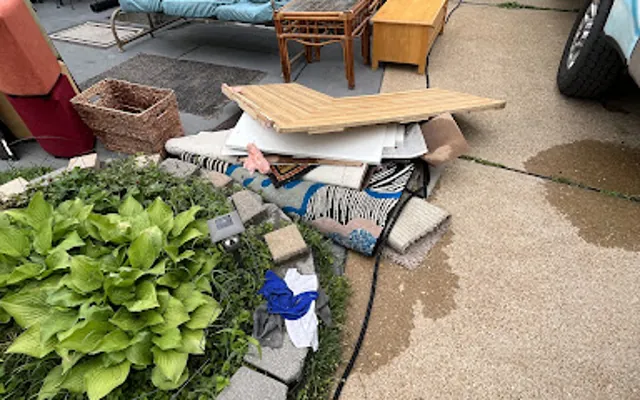
In the Museum District, TX, water main breaks require fast local crews. They respond around the clock to extract water, dry structures to IICRC-standard levels, and document damage for insurance, getting homes dry again.

Technicians confirm the city water main or service line is secured before entering. They then use pumps and extractors to remove standing water from affected ground-floor areas like garages or utility closets in Museum District homes.
The crew uses moisture meters to check drywall, stored items, and flooring materials for hidden dampness. This mapping determines what can be dried in place and what must be removed to prevent mold in the humid climate.
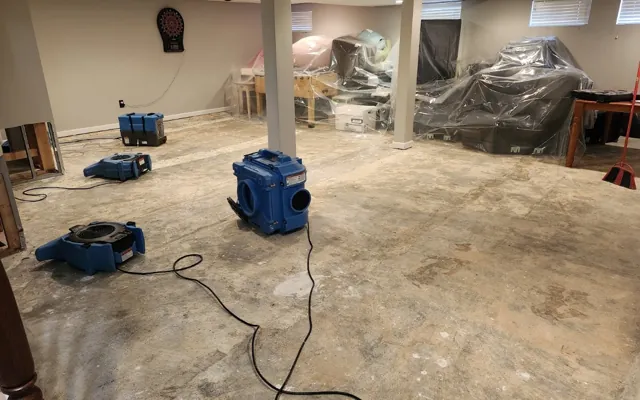
Air movers and dehumidifiers run continuously to dry the structure. The process continues until moisture readings meet IICRC standards, with photos and logs created for the homeowner's insurance claim file.

Cleanup after a water main break that reaches a garage or utility room typically runs from about $500 to $2,000, depending on how much standing water entered and whether drywall or stored items were affected. If water tracked into a living space or required larger-scale structural drying, cost commonly runs from about $2,500 to $6,000. Any repair to the actual water main or service line is handled by the city utility or a plumber and billed separately from cleanup and drying.
In Houston's Museum District, a mix of older bungalows and newer townhomes sits near Brays Bayou. This flat, bayou-adjacent terrain and flat roofs on newer construction mean water main breaks can quickly send water into ground-floor spaces, requiring prompt extraction and drying to prevent lasting damage to wood floors and drywall. The Museum District's older utility lines, combined with its flat, low-lying geography near Brays Bayou, make it prone to water main issues. Houston's heavy seasonal rains can also stress aging infrastructure, leading to breaks that flood nearby homes. From Museum District, crews also cover nearby Riverside Terrace, River Oaks, The Heights, Lindale Park, Eastwood, Rice Military. See every neighborhood and town on the full service area page.
See all areas servedEvery loss is photographed, measured, and logged from the first visit, so the paperwork holds up with the insurance carrier.
Technicians follow recognized IICRC drying standards and prove it with daily moisture readings on Museum District homes, not guesswork.
Emergency dispatch any hour of the day or night, with a real crew on the way across Greater Houston, not a callback in the morning.
A real crew dispatched any hour, not a callback in the morning.
Trained technicians following recognized IICRC drying standards.
Truck-mounted, portable, and submersible for any size loss.
The loss is documented and billed to the carrier directly.
Repairing the public water main is the responsibility of the City of Houston's utility department. Homeowners should contact 311 to report the break. Local restoration crews handle only the interior water extraction and drying after the source is stopped.
Cost depends on the water's reach. For a garage or utility room, cleanup often ranges from about $500 to $2,000. If water entered living areas requiring structural drying, costs commonly range from about $2,500 to $6,000. Plumber or city repair bills are separate.
Crews are on call 24 hours a day and can be on the way to Museum District within the hour.
Call (346) 680-3171